
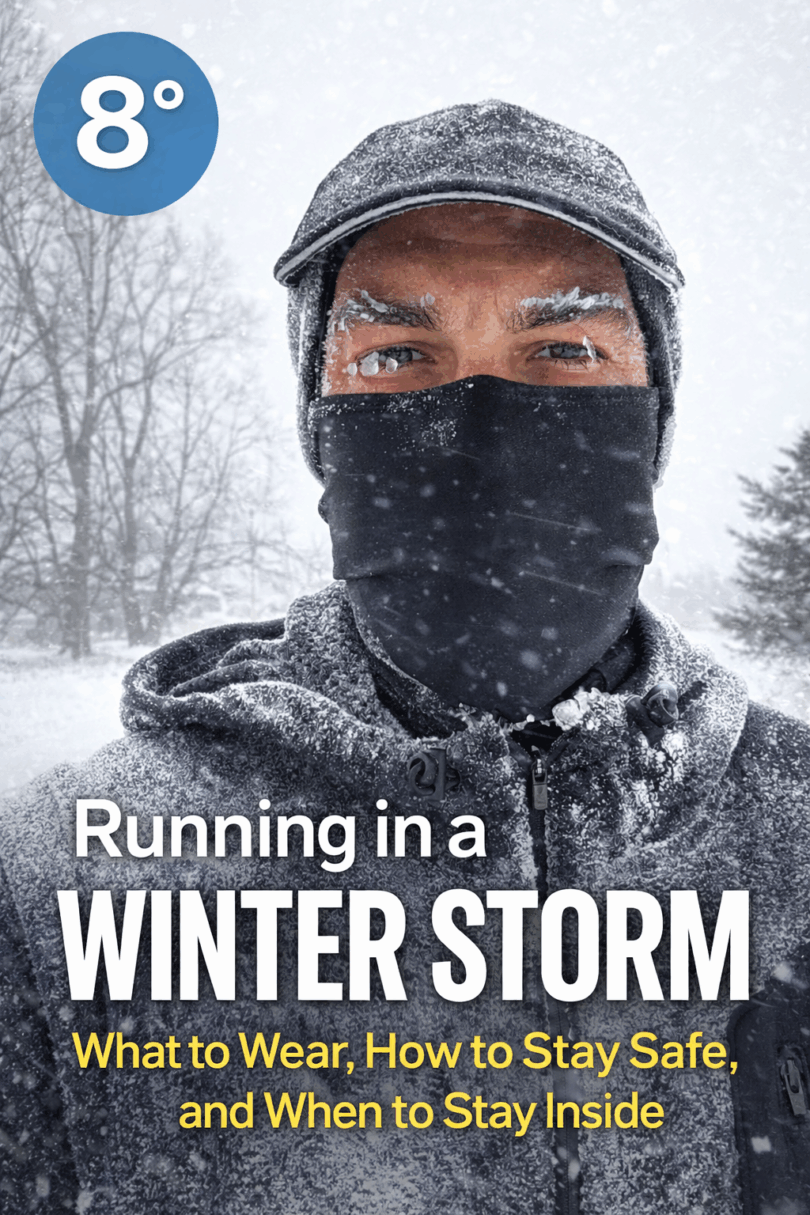

This winter storm has brought cold temperatures and a bunch of snow to 2/3 of Americans. For those of us in western NY, this really isn’t anything bad at all. We got 16 inches at our house and were still out today (and I will be running later) but for others, this is a once-in-a-decade/life thing. So, for those that want to keep running outside with all of this, here is a post that looks at what I use to stay warm and safe when running in freezing and snowy conditions.
Running in a Winter Storm: What to Wear, How to Stay Safe, and When to Stay Inside
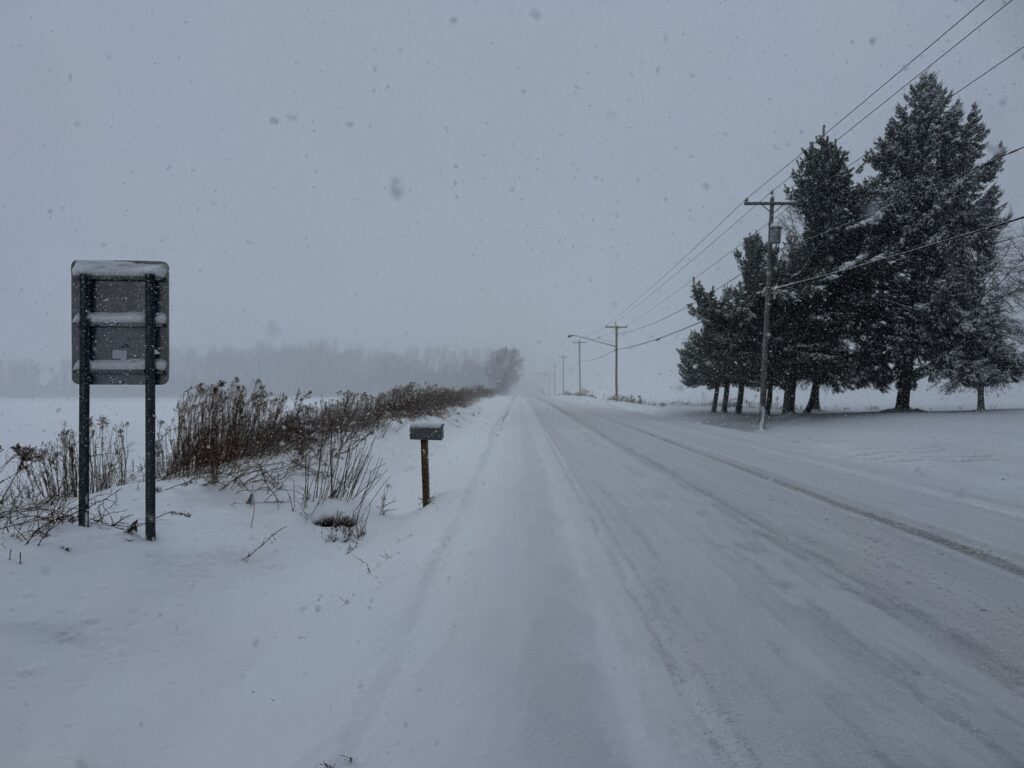
As a major winter storm moves across the country, many runners are asking the same question:
“Can I still run outside — and if so, what do I wear to stay warm and safe?”
Cold weather running is one thing. Running during a winter storm — with snow, ice, wind, and dangerous wind chills — is something else entirely. The right gear and smart decisions can make the difference between a productive run and a miserable (or dangerous) one.
Here’s exactly how I approach running during a winter storm — and what you should consider before heading out.
Should You Run During a Winter Storm?

Before talking gear, let’s be clear: not every storm is runnable.
You should not run outside if:
-
Wind chills are dangerously low (risk of frostbite)
-
Ice is widespread and untreated
-
Visibility is poor and drivers can’t see you
-
Emergency services are stretched thin
That said, many storms leave windows where short, controlled outdoor runs are possible — especially in neighborhoods, on cleared paths, or during lighter snowfall.
The key is preparation.
What to Wear Running in a Winter Storm
1. Base Layer: Moisture Control Is Everything
The most important rule of winter storm running: never wear cotton.
Your base layer should be:
-
Synthetic or merino wool
-
Tight enough to wick sweat
-
Designed to stay warm when wet
Sweat trapped against your skin in freezing temperatures is what makes runners cold fast.
My go-to is the Under Armour IntelliKnit Phantom 2.0. It is amazing! I had bought two of them back during a sale and I wear them for the majority of my winter runs. Here’s the amazing thing – it’s the only thing I need to wear up top. When you stretch it, it kind of looks like you can see through it but I never feel cold at all, that’s the brilliance of this fabric they used. The only negative is that I wish it came more up my neck. But, they no longer sell these – but it gives you an idea of something that works great in cold weather.
2. Mid Layer: Insulation Without Bulk
Your mid layer traps heat while still breathing.
Look for:
-
Thermal long sleeves
-
Lightweight fleece or insulated running tops
-
Breathable fabrics that won’t overheat once you get moving
If you overdress, you’ll sweat too much — and that’s dangerous in a winter storm.
3. Outer Layer: Wind and Snow Protection
A proper winter running jacket or top is essential during storms.
You want:
-
Wind-resistant fabric
-
Water resistance for snow and sleet
-
Venting or breathability
Avoid bulky winter coats. They trap sweat and restrict movement.
When it is really cold, I wear an Under Amour fleece hoodie. It is lightweight and helps keep the heat in without making me overheat. It also blocks the wind nicely and has a hoodie that can go over my hat.
Cold Weather Running Accessories That Matter
Gloves or Mittens
Hands are often the first body part to go numb. Mittens are warmer than gloves, especially in high winds. My go-to is a 16 year old pair of ASICS running mittens that they do not sell anymore. My backup is Trailheads winter gloves/mittens.
Hat or Thermal Head Cover
A surprising amount of body heat is lost through the head. Cover your ears and forehead. I have several hats that work for me, including from Under Armour and Nike. But, when it gets really cold, the Trailheads one works great.
Neck Gaiter or Face Covering
In extreme cold or strong wind, protecting your face can prevent frostnip and make breathing more comfortable. I use an Under Armour balaclava that works awesome – I’ve used it for 5 hour runs in the cold and it does a great job.
Running Shoes and Traction During a Winter Storm
Footing becomes the biggest risk during storms.
Consider:
-
Shoes with aggressive tread (new running shoes work well for this)
-
Trail running shoes for snow-covered surfaces
-
Ice cleats if roads or paths are icy
If you’re slipping during the first mile, turn around. No run is worth a fall.
Remember: wearing a newer pair of shoes is much better than a pair that has worn down treads. Trail shoes can be great but may be thin on top which may not be that good for the cold.
How to Run Safely in a Winter Storm
Warm Up Indoors
Cold muscles are more injury-prone. Do 5–10 minutes of light movement inside before heading out.
Slow Down
Snow, wind, and cold all increase effort. Your pace will be slower — that’s expected. This is ok, too! Because running in snow will be more difficult so you are going to get some good muscle and heart benefits though it is a slower pace. Do not be surprised to see a higher heart rate – even though it is cold and you are slower, the footing can make it more difficult for running.
Stay Visible
Storms reduce visibility. Wear:
-
Reflective gear
-
Bright colors
-
A headlamp if it’s dark or snowing heavily
Stick to Safe Routes
Avoid main roads during storms. Choose:
-
Cleared neighborhood loops
-
Paths you can easily cut short
-
Areas close to home
How to Dress for Winter Running Temperatures
A good rule of thumb:
Dress as if it’s 10–20°F warmer than the actual temperature
Once you start running, your body heat rises quickly. Feeling slightly cold at the start is normal — feeling soaked and freezing halfway through is not.
When to Skip the Run (and That’s Okay)
There is no badge of honor for running through unsafe conditions.
Skip or modify your run if:
-
Ice is widespread
-
Wind chills are extreme
-
Snow is heavy and accumulating fast
A treadmill, indoor strength session, or rest day is a smart training decision — not a failure.
Final Thoughts: Smart Winter Storm Running
Running during a winter storm isn’t about toughness.
It’s about knowledge, preparation, and restraint.
With the right cold weather running gear, smart layering, and realistic expectations, winter running can be safe — and even enjoyable. But knowing when not to run is just as important as knowing what to wear.
Stay warm, stay visible, and stay smart out there.
Share any of your winter running tips here as well!